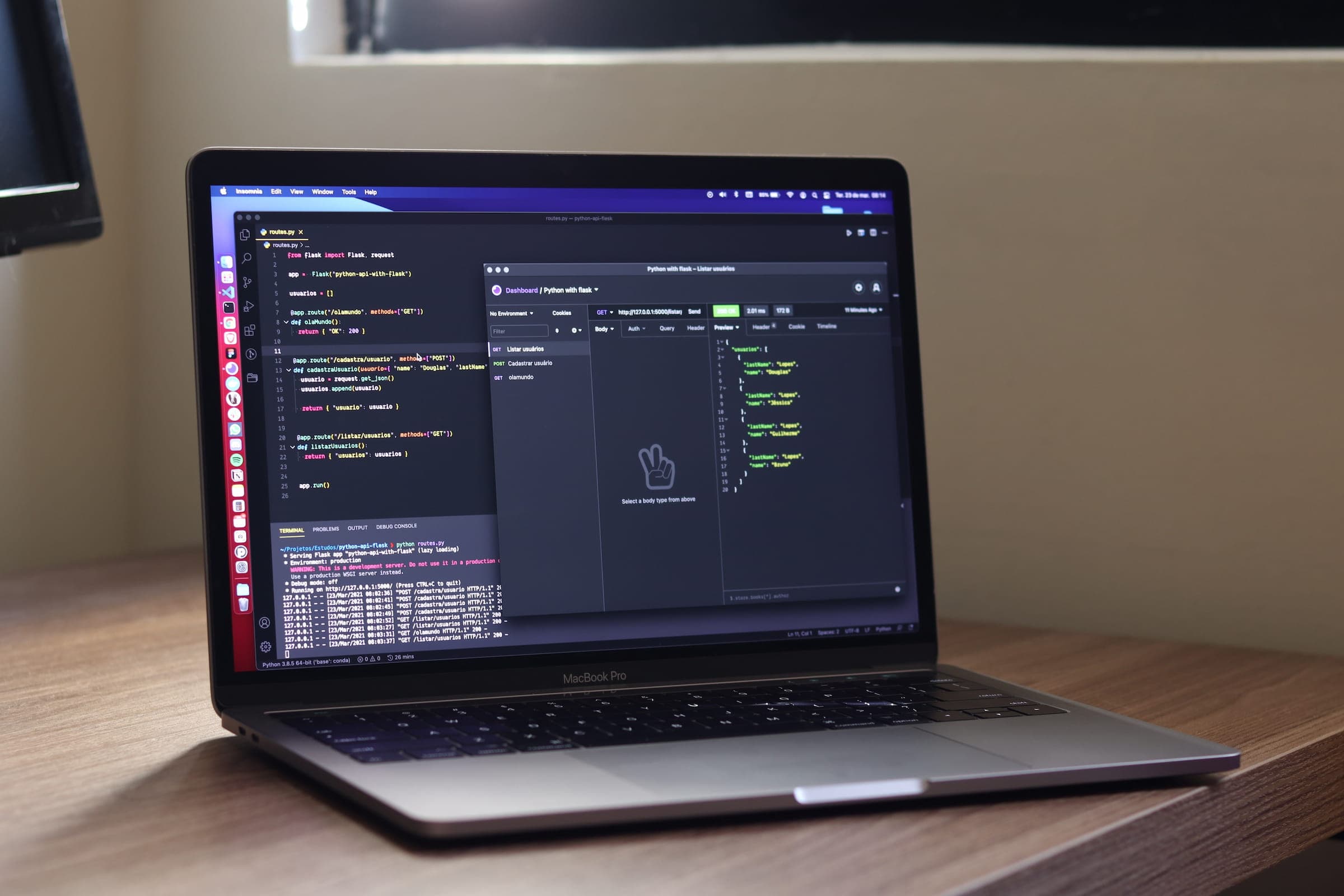
Why Voice is the Next Developer Interface
by Arjun Sharma, Co-founder & CEO
Every major shift in computing history has been driven by a new interface. The command line gave way to the graphical user interface. The desktop gave way to touch. Each transition did two things: it made computing faster for existing users and opened it up to entirely new ones.
We are at the beginning of the next transition. Voice is becoming a first-class interface for software development — and it is going to change everything.
The tyranny of the keyboard
The keyboard has served developers remarkably well. It is precise, fast for text input, and deeply integrated into every tool we use. But it has a hidden cost: it forces you to translate your thoughts into syntax in real time.
Think about what happens when you want to build a feature. You have a mental model — you can see the data flow, the component structure, the API contract. Then you open your editor and the translation begins. You look up a method signature. You remember the parameter order. You write a line, delete it, write it again. You switch to a browser tab. You come back.
The thought was clear. The code is slower.
Voice AI does not solve every problem with software development, but it solves this one. When you can speak what you want to build, you stay in the mental model instead of wrestling with the translation layer.
What makes voice different this time
Voice interfaces for software development have existed for years — mostly as accessibility tools, mostly clunky. What is different now is the quality of the underlying AI.
Modern voice AI platforms have pushed latency to sub-500ms, the naturalness is indistinguishable from human speech, and the comprehension of domain-specific language is deep enough to understand what a developer means when they say something like "add cursor-based pagination to the users endpoint and make sure it is compatible with the existing query builder."

That last part matters more than it sounds. Previous voice tools for coding required you to speak in a kind of constrained English — closer to a formal query language than natural speech. Current models understand intent, context, and ambiguity in ways that make the interface feel genuinely conversational.
The speed argument
The obvious pitch for voice coding is speed. Speaking is faster than typing for most people — the average speaking rate is around 150 words per minute versus 40–60 for typing.
But speed is not the real argument. The real argument is flow.
When developers describe their best work sessions, they describe a state of deep focus where ideas and code arrive together. Typing can sustain that state, but it also interrupts it — every time you reach for a keyboard shortcut, every time you break to look up documentation, every time you context-switch.
Voice coding, done right, keeps you in the idea. The interface disappears.
The accessibility dimension
The case for voice coding is even clearer when you consider the developers who cannot easily use a keyboard. Repetitive Strain Injury affects roughly one in five professional developers at some point in their careers. For many, it is career-limiting. For developers with mobility impairments, it can be career-ending.
A voice-first coding tool is not an accessibility workaround — it is the primary interface. Everything available through keyboard is available through voice, with no degraded experience. That is a design principle, not a feature.
What comes next
We are at the beginning of this transition, not the middle. The tooling ecosystem for voice-first development is thin, the developer habits are not yet formed, and there are genuine open questions about how voice coding integrates with existing workflows.
But the trajectory is clear. In five years, asking whether you prefer to code by voice or by keyboard will feel like asking whether you prefer touch or a mouse — a personal preference, not a fundamental constraint.
The developers who start building voice-first workflows now will have a significant advantage. Not because they will type less, but because they will think more clearly while coding — and that compounds.
We built Codelikha because we believe this transition is inevitable, and we want to help developers move through it as quickly as possible.